
Ben J. Mauldin | Aug 02 2026 19:31
In today's digital landscape, cyber liability insurance has become essential for local businesses in South Carolina. This insurance type protects against potential data breaches and cyberattacks, which can significantly impact operations and finances. By securing coverage tailored for their specific needs, small business owners can mitigate risks associated with cyber threats. This guide will provide a comprehensive overview of cyber liability insurance, its coverage options, and the risks that small businesses face today. Key sections include understanding coverage options, risk management strategies, and how to choose the right policy.
Coverage Options
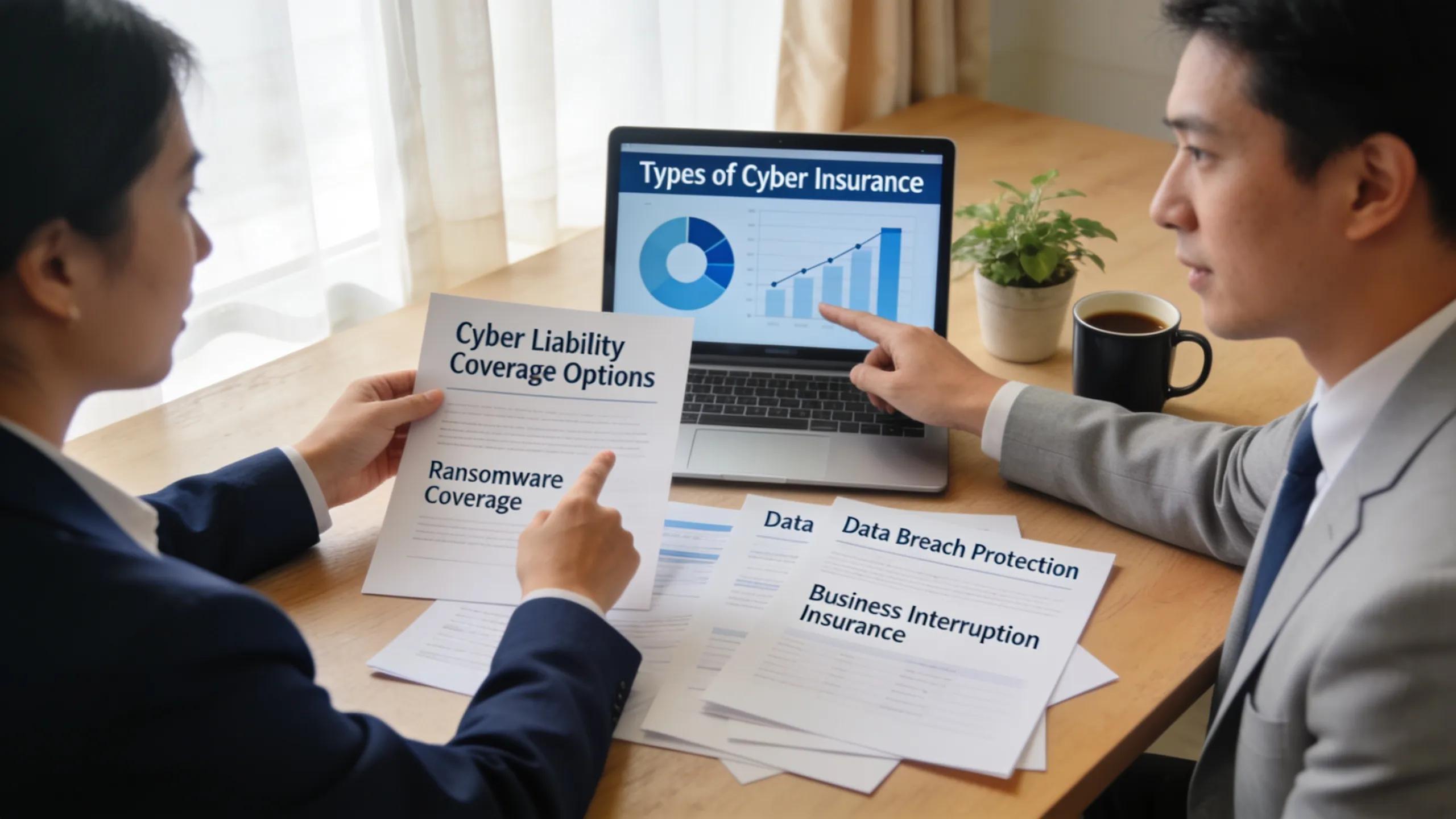
When considering cyber liability insurance, it's crucial to understand the various coverage options available to small businesses. These options can help tailor insurance solutions effectively based on specific operational needs.
| Coverage Type | Description | Example |
|---|---|---|
| Data Breach Coverage | Protects against costs incurred due to a data breach incident. | Coverage for notification costs and legal fees. |
| Business Interruption Coverage | Covers lost income and additional expenses if operations are halted due to a cyber incident. | Compensation for income loss during recovery. |
| Cyber Extortion Coverage | Protects against losses from ransomware attacks. | Coverage for ransom payment and related expenses. |
Understanding these coverage types allows business owners to make informed decisions about their insurance needs.
Risk Management Strategies

To reduce vulnerabilities, small businesses should implement effective risk management strategies. Ensuring robust cybersecurity practices can significantly decrease the likelihood of a cyber incident.
- Implement Strong Security Practices: Adopt firewalls, intrusion detection systems, and employee training programs.
- Conduct Regular Software Updates: Regularly update software to patch vulnerabilities and eliminate potential entry points for attacks.
- Perform Risk Assessments: Periodically assess the business's cybersecurity posture to identify and address weaknesses.
Employing these strategies can help safeguard against threats while ensuring business continuity.
Implications for Small Business Owners
Understanding cyber liability insurance is critical for the sustainability of small businesses. The financial repercussions of cyber incidents can be devastating without proper coverage.
- Financial Impacts of Cyber Incidents: The costs associated with data breaches, including legal fees and customer notifications, can be staggering.
- Legal Obligations Regarding Data Protection: Businesses must comply with regulations, such as the GDPR and HIPAA, which require protective measures.
- Benefits of Having Insurance: Cyber liability insurance not only provides financial protection but can also enhance a business's credibility and customer trust.
These implications highlight the importance of integrating cyber liability insurance into business operations.
What Is Cyber Liability Insurance and Why Is It Crucial for Small Businesses?
Cyber liability insurance serves as a safeguard for businesses against damages stemming from cyber threats. It encompasses various types of coverage designed to support businesses in recovering from incidents related to data breaches and cyberattacks.
Defining Cyber Liability and Data Breach Insurance Coverage
Cyber liability insurance primarily falls into two categories: first-party coverage and third-party coverage. First-party coverage deals with the direct losses incurred by the business, such as repairing systems and notifying affected parties. Third-party coverage, on the other hand, addresses claims made by clients or partners against the business for damages resulting from a data breach. Both types are essential for comprehensive protection.
How Cyber Liability Protects Local Businesses Against Cyberattacks
For local businesses, cyber liability insurance plays a pivotal role in mitigating the financial risks associated with cyberattacks. In the case of a data breach, the insurance can cover the costs linked to investigation, customer notification, and credit monitoring services. This support enables businesses to recover faster and minimize reputational damage, ultimately preserving customer trust.
What Cyber Risks Do Small Businesses in South Carolina Face Today?
Small businesses in South Carolina confront various cyber risks that can jeopardize their data and operations. Understanding these threats is vital for implementing effective prevention strategies.
Common Cybersecurity Threats Including Ransomware and Data Breaches
Ransomware attacks have increased in recent years, making it a significant concern for small businesses. These attacks can encrypt important data, demanding a ransom for a decryption key. In addition, data breaches expose sensitive customer information, potentially resulting in substantial financial losses and legal consequences. Recognizing these threats allows businesses to prepare accordingly.
To mitigate these risks, many businesses seek robust cyber liability solutions. Investing in appropriate insurance can provide a crucial safety net against unforeseen cyber events.
Legal and Regulatory Requirements Affecting Cyber Insurance in South Carolina
Businesses must navigate an evolving legal landscape that dictates how they manage data and cybersecurity. South Carolina has specific regulations that mandate businesses to inform affected parties in the event of a data breach. Staying compliant with these rules is crucial, as violations can lead to severe penalties and reputational harm.
How to Choose the Right Cyber Insurance Policy for Your Local Business
Selecting the most suitable cyber insurance policy involves understanding various factors and evaluating multiple options.
When choosing a policy, it's important to consider factors like cyber liability insurance pricing and coverage limits. These are influenced by business size, industry, and existing security measures.
Key Factors Influencing Cyber Liability Insurance Pricing and Coverage Limits
Various elements impact the pricing and coverage limits of cyber liability insurance. Key considerations include the size of the business, its industry classification, and existing cybersecurity measures. Insurers may offer lower premiums to businesses that exhibit robust cybersecurity practices, highlighting the importance of a proactive approach.
The Role of Personalized Risk Assessments and Consultations with Mauldin Insurance Group
Consulting with a knowledgeable insurance provider like Mauldin Insurance Group can provide valuable insights into tailored coverage options. By conducting a personalized risk assessment, they can help identify specific vulnerabilities unique to the business, ensuring that the selected policy adequately addresses potential risks.
How Does the Cyber Insurance Claims Process Work for Small Businesses?
Understanding the claims process is crucial to efficiently navigate the aftermath of a cyber incident.
Step-by-Step Overview of Filing a Cyber Liability Insurance Claim
Filing a claim typically involves several key steps, including reporting the incident to the insurance provider, providing detailed documentation of the breach, and cooperating with any investigations. It's essential to act quickly and follow the insurer's guidelines to facilitate a smooth claims process.
Understanding Coverage Limits and Exclusions Commonly Included in Cyber Policies
Each cyber liability policy may have specific exclusions and limits that businesses should carefully consider. Common exclusions include incidents arising from pre-existing vulnerabilities or acts of fraud. Awareness of these limitations ensures that businesses do not face unexpected gaps in coverage during a crisis.
In today's digital landscape, cyber liability insurance has become essential for local businesses in South Carolina. This insurance type protects against potential data breaches and cyberattacks,...
