
Ben Mauldin | Dec 13 2025 17:33
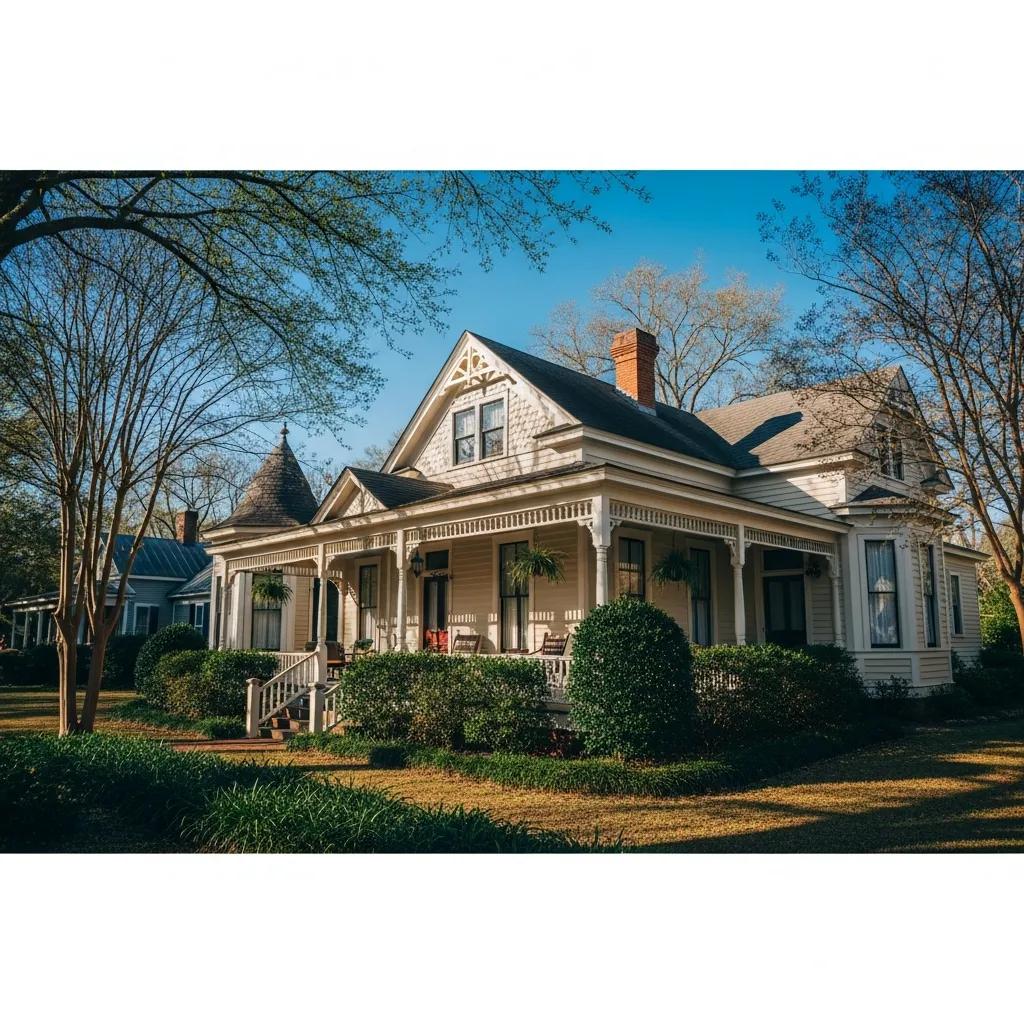
Older homes in the South Carolina Midlands present a distinct underwriting profile because age, historic construction methods, and legacy building systems increase both the probability and severity of claims. This article explains what insurers mean by an "older home" in insurance terms, how outdated electrical, plumbing, heating, structural materials, and local environmental exposures raise risk, and which policy choices (including HO-8) and practical steps homeowners can use to manage costs. Readers will get a clear taxonomy of age bands and construction types common in the Midlands, a prioritized mitigation checklist with estimated impact on insurability, and side-by-side comparisons that inform whether HO-8 or standard HO-3-style coverage fits a given property. The guide also includes EAV-style comparison tables for systems, materials, and policy types, plus actionable lists for maintenance, discounts, and roof-claim preparation tailored to Lexington and Columbia area conditions. By the end you’ll understand insurer decision drivers and have practical next steps—plus when to involve a specialist broker or request a personalized risk assessment or quote.
What Defines an Older Home in the Midlands and Why Does It Matter for Insurance?
An "older home" for underwriting purposes is defined by age thresholds, original construction methods, and the presence of non-modern systems; insurers use these markers to estimate claim frequency and replacement complexity. In the Midlands, age bands such as pre-1900, pre-1945, and pre-1970 commonly map to different construction methods—timber framing, balloon framing, and early electrical retrofits—that change both loss mechanics and repair cost. Underwriters assess not only chronological age but material meronyms like roof, foundation, and electrical system to decide on eligibility and whether to apply surcharges or coverage restrictions. This classification matters because historic features and non-standard materials often require specialized contractors and longer lead times for parts, increasing both direct repair costs and business-interruption-style exposures during major claims. Recognizing these insurer drivers helps homeowners prioritize inspections and documentation, which in turn can speed underwriting and improve quote outcomes.
How Are Older Homes Classified by Age and Construction in South Carolina?
Insurers typically use discrete age bands and construction tags to classify risk: pre-1900 (period property), 1900–1945 (early modern), 1946–1970 (mid-century modifications), and post-1970 (modernized). Each band correlates with construction types—masonry and post-and-beam in older homes, balloon-framed walls in early 20th-century houses, and more standardized platform framing later—which influence vulnerability to specific hazards and required repair techniques. For example, balloon framing can conceal runs of older wiring and plumbing that increase hidden-loss risk, while masonry walls may mask moisture intrusion leading to slow-developing structural damage. Insurers use these classifications to set underwriting requirements such as mandatory electrical inspections or roof-replacement timelines, and homeowners who document material types and retrofit dates often receive more favorable consideration. Local examples include large porches and original clapboard siding common in Columbia-area period houses that raise replacement complexity and insurer scrutiny.
What Unique Features of Historic Midlands Homes Affect Insurance Risk?
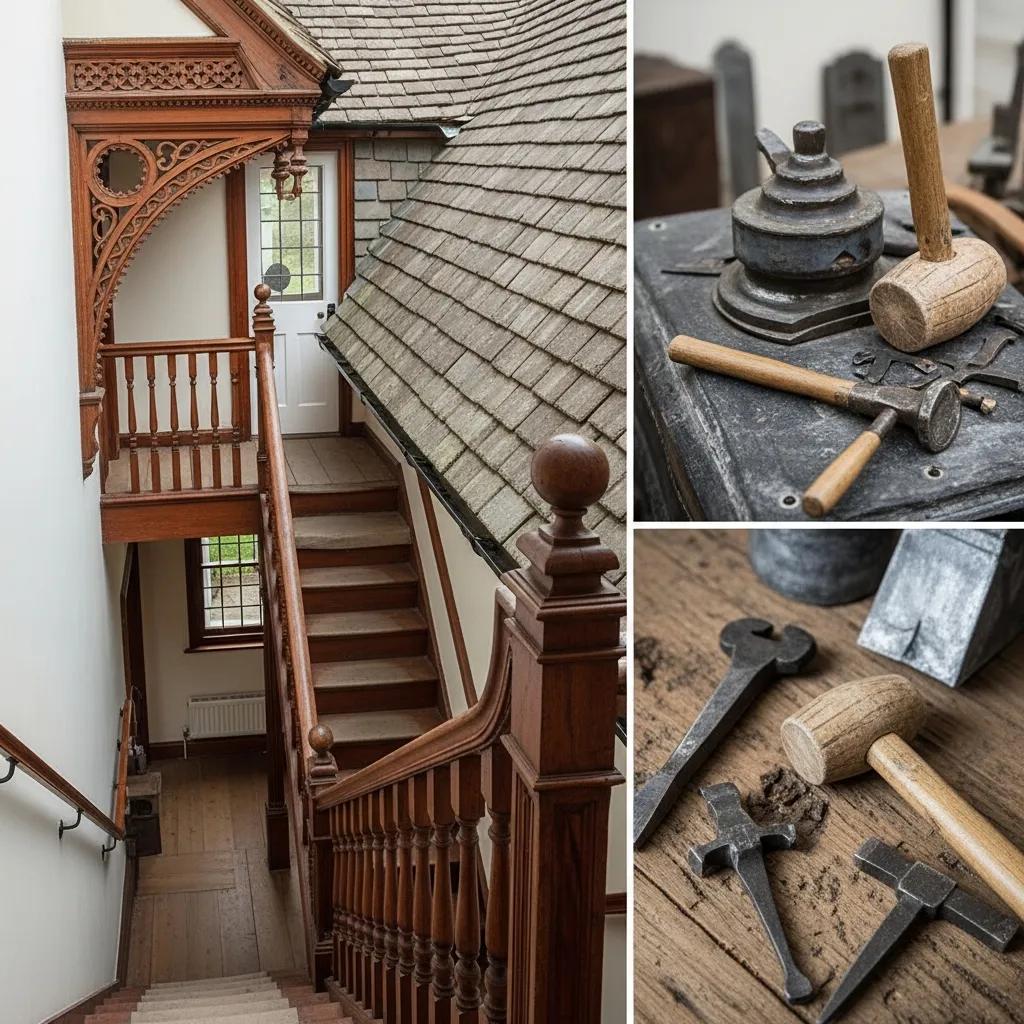
Historic Midlands homes often retain original architectural features—wraparound porches, ornamental woodwork, narrow staircases, and specialty roofing—that increase replacement complexity and can limit modern repair options. These features can be meronyms of the property value but act as risk multipliers because matching materials (old-growth timber, custom slate, lime mortar) are harder to source and require specialist craft labor, which elevates repair time and cost. Preservation covenants or historic-district codes may require like-for-like repair, which insurers interpret as higher settlement cost and may influence indemnity approach. To mitigate this, homeowners should record preservation requirements, obtain contractor estimates for period-accurate work, and keep documentation that explains why certain materials are necessary—this evidence helps underwriters assess realistic replacement costs rather than assuming costlier bespoke repairs after a claim. Understanding how these unique features translate into insurer valuation is the first step toward controlling premium impact.
How Do Outdated Electrical, Plumbing, and Heating Systems Increase Insurance Challenges?
Legacy systems—knob and tube wiring, lead or galvanized plumbing, and older oil or wood-based heating—are primary drivers of underwriting concern because they statistically raise fire, water, and contamination claim frequency. Insurers evaluate system condition, age, and maintenance history to predict claim likelihood and may require inspections, policy endorsements, or outright decline coverage when high-risk systems remain in place. The underwriting mechanism is straightforward: system → failure mode → loss severity; for example, knob and tube wiring → insulation breakdown → increased fire risk and expensive structural loss. Practical homeowner actions like certified electrical inspections, targeted upgrades, and documented maintenance materially reduce insurer uncertainty and can lead to lower premiums or broader coverage options. The table below summarizes common legacy systems, their insurer-assessed risks, typical claim types, and approximate upgrade cost ranges to clarify priorities.
Different legacy systems in older homes create distinct insurance risks and remediation pathways.
| System | Primary Insurer Concern | Typical Claim Types | Typical Upgrade Cost Range |
|---|---|---|---|
| Knob and tube wiring | Increased fire ignition risk | Electrical fire, hidden damage | $6,000–$20,000 (full rewire) |
| Galvanized / lead pipes | Corrosion and contamination | Slow leaks, burst pipes, water damage | $3,000–$15,000 (repiping sections) |
| Oil furnace / old wood stove | Combustion/chimney fires & spills | Chimney fires, soot damage, fuel spills | $2,000–$10,000 (furnace replacement or chimney relining) |
This table clarifies insurer priorities and typical cost ranges homeowners face when upgrading. Choosing which system to remediate first should be guided by insurer requirements and potential premium reductions.
Why Is Knob and Tube Wiring a Fire Hazard for Older Home Insurance?
Knob and tube (K&T) wiring is an early 20th-century electrical system that lacks grounding and uses insulation practices vulnerable to heat and physical damage; its failure modes—brittle insulation, overloaded circuits, and unprotected splices—translate directly into elevated fire risk. Underwriting policy often treats K&T wiring as a material risk factor: some companies decline coverage, others accept with surcharge or require a full electrical inspection followed by staged remediation. A typical claim narrative is: aged K&T wiring overheats under modern load demands, a hidden fault ignites adjacent combustibles, and structural fire results in high indemnity and content losses. Homeowners who secure a licensed electrician's inspection and provide photo documentation or install partial modern circuits for high-load appliances can reduce insurer concern. The last sentence of this paragraph leads into plumbing risks because both electrical and plumbing legacy systems drive hidden, progressive damage that insurers dislike.
How Do Lead and Galvanized Pipes Cause Water Damage and Insurance Claims?
Lead and galvanized pipes corrode internally over decades, which narrows flow, traps sediment, and eventually leads to pinhole leaks or sudden bursts—each pattern causing different claim profiles from chronic water staining to catastrophic flooding. Corrosion can also release contaminants into drinking water, creating public health exposures alongside structural damage, which insurers treat as combined property and liability considerations. Claims commonly appear as progressive water damage with hidden mold remediation costs or as sudden pipe failures that flood finished spaces, both triggering large repair bills and potential business-interruption losses. Insurers often require partial repiping or may offer coverage limits until repiping occurs, so prioritized actions include a scoped plumbing inspection, localized repiping for high-risk areas, and retaining receipts to show remediation. The interplay of plumbing failure mechanics and insurer responses sets up similar concerns addressed for heating systems.
What Are the Insurance Risks of Oil Furnaces and Wood Stoves in Older Homes?
Oil furnaces and wood stoves introduce combustion-related hazards—improper venting, creosote buildup in chimneys, and fuel storage spill risk—that increase both fire and environmental liability exposures. Insurers assess the condition of flues, the presence of modern shut-off and containment systems, and documented annual servicing before extending full coverage without surcharge. Common claim scenarios include chimney fires that ignite roof structures and soot contamination that necessitates extensive cleaning and replacement of HVAC components, leading to expensive claims disproportionate to the original appliance cost. Upgrading to modern, sealed-combustion appliances, installing carbon monoxide and smoke detection, and keeping service records are practical steps accepted by underwriters. Since these heating risks often co-occur with outdated electrical or roofing, coordinating upgrades can yield larger premium benefits than addressing a single system alone.
What Structural and Material Issues Make Older Midlands Homes Harder to Insure?
Structural matters—foundation wear, subsidence, and non-standard materials—directly impact both the frequency of claims and the complexity of repair, which underwriters translate into higher premiums or conditional coverage. Foundations in the Midlands may face clay soil movement and moisture variations that cause differential settlement, while period construction often used materials (slate roofs, lime mortar, old-growth timber) that require craftspeople and time to repair. Insurers measure these risks via site inspections, structural reports, and by referencing local code and preservation constraints that can increase repair costs. The following EAV-style table compares typical materials and structural issues, their insurance implications, and relative repair complexity to guide homeowners on prioritization.
This table compares common structural or material conditions in older Midlands homes and their insurer implications.
| Element | Characteristic / Attribute | Insurance Implication |
|---|---|---|
| Foundation | Post-and-beam or shallow footings; signs of settlement | Higher claim costs; may trigger engineering report requirement |
| Roof | Slate or aged wooden shingles; age 50+ years | Increased premium; possible exclusion for imminent failure |
| Exterior masonry | Lime mortar or irregular brick patterns | Specialized repair needed; longer settlement times for claims |
The table shows that foundations and roofs typically drive the largest insurer actions, and documenting engineering assessments or specialist repair quotes can reduce underwriting uncertainty.
How Does Subsidence and Foundation Wear Impact Insurance Premiums?
Subsidence—soil movement under foundations—creates crack propagation, misaligned doors and windows, and uneven flooring that raise the probability of large structural repair claims; insurers view subsidence as high-severity risk. Local drivers include clay-rich soils common in parts of the Midlands, poor drainage, and tree roots extracting subsoil moisture; these factors change over seasons and can accelerate subsoil contraction. Underwriting responses range from requiring an engineer's inspection and remedial drainage works to excluding subsidence-related settlement from coverage or applying large deductibles. Typical mitigation steps accepted by insurers include grading and drainage correction, root removal near foundations, and documented stabilization work; providing pre- and post-work engineering reports can materially improve quote outcomes. Understanding the local soil mechanics and documenting mitigation is essential for insurers to move from restrictive offers to standard policies.
Why Do Non-Standard Building Materials Increase Repair and Insurance Costs?
Non-standard materials—slate, handmade clay tile, lime mortar, and old-growth timbers—often require specialist suppliers and tradespeople, creating longer lead times and higher labor rates that inflate repair estimates. Insurers use a valuation approach that considers both material replacement cost and the labor/time premium associated with bespoke restoration; this can lead to higher declared replacement values or to insurers preferring actual cash value settlements for older components. In practice, insurers may require lists of replacement sources or limit coverage for certain materials unless the homeowner secures specialist guarantees or agrees to specified contractors. Homeowners can reduce insurer uncertainty by assembling supplier contacts, collecting specialist estimates, and maintaining evidence of previous sympathetic repairs, which gives underwriters a clearer picture of replacement feasibility and cost. Such preparation increases the chance of favorable indemnity decisions.
How Does Roof Age and Condition Affect Insurance Coverage and Claims?
Roof condition is a leading underwriting factor: age, material, presence of multiple layers, and visible damage are immediate indicators of potential future claims for leaks, wind uplift, or collapse under severe weather. Materials such as cedar shakes, slate, or original wooden shingles can be acceptable when well maintained, but insurers often impose age thresholds (e.g., 20–25 years for asphalt, 50+ for slate) beyond which they request replacement or restrict coverage. Common insurer actions include requiring roof certifications, limiting replacement-cost coverage, or applying surcharge if roof repair would likely be required within policy term. For historic roofs, matching original material can be expensive; documenting maintenance, recent spot repairs, and obtaining a pre-claim specialist estimate can make insurers more comfortable. Because roof risk interacts with wind and hurricane exposures, older roofs on Midlands properties are scrutinized more heavily during underwriting.
What Environmental and Geographic Risks Affect Older Homes in the South Carolina Midlands?
Environmental hazards relevant to the Midlands—hurricanes, windstorms, heavy rainfall, and localized flooding—interact with older construction to increase vulnerability and the potential scale of insurers' payouts. Older homes with unsecured roof details, unreinforced gable ends, or shallow footings face higher exposure to uplift and foundation erosion during high-wind or heavy-rain events. Insurers price these risks based on local hazard frequency, proximity to flood-prone waterways, and the home's structural resilience; wind/hail endorsements, separate flood insurance, and higher deductibles are typical product adjustments. Recognizing local code changes and resilience measures—storm straps, foundation drainage, and landscape grading—allows homeowners to pursue specific mitigations that insurers value when reassessing premiums or extending coverage. The next paragraphs explain how each hazard type stresses older building systems and what underwriting changes commonly follow.
How Do Hurricanes, Floods, and Wind Increase Insurance Risks for Older Homes?
High winds and hurricanes create uplift forces that older roof attachments and porch connections were not designed to resist, causing roof failure and rapid interior water exposure; heavy rain and storm surge exacerbate foundation saturation and subsidence risk. Flooding typically requires separate flood policies; however, flood-related structural weakening after repeated events can increase the general property risk profile and therefore premiums for other perils. Insurers respond with higher wind/hurricane deductibles, exclusions for certain roof types, or by demanding verified mitigation (hurricane straps, secondary water barriers). Practical homeowner responses include elevating utilities, installing water-resistant roof underlayments, and documenting post-storm repairs—each action reduces perceived exposure and can be presented to underwriters for premium reassessment. These hazard-specific mitigations link directly to underwriting outcomes, so prioritizing them according to local hazard maps is essential.
What Local Building Codes Influence Insurance for Historic Midlands Properties?
Local building and historic-preservation codes in Midlands municipalities can require like-for-like repairs or impose approval processes for material changes, which lengthen repair timelines and increase costs—factors insurers incorporate into valuation and indemnity planning. Where preservation rules mandate use of specific materials or limit modern interventions, insurers may request engineering reports, contractor qualifications, and proof of funding or escrow for compliant repairs. Compliance can both raise the estimate for repairs and justify higher replacement-cost limits; conversely, noncompliance risk may lead to narrower coverage or exclusions. Homeowners should keep copies of code constraints, preservation approvals, and contractor bids to expedite claims and ensure insurers understand the requirement-driven cost structure. These documentation practices reduce ambiguity in underwriting and speed post-loss recovery.
What Is an HO-8 Insurance Policy and Why Is It Important for Older Homes?
An HO-8 policy is a homeowners insurance form that values losses on an actual cash value basis rather than full replacement cost, making it appropriate for properties where replacement with like-for-like materials is impractical or economically disproportionate. HO-8 is designed as a hyponym of homeowners insurance tailored for period and historic residences with non-standard materials, offering cover that aligns better with market realities when replacement cost estimates would be inflated or not reflective of true market value. Underwriters use HO-8 to balance insurer exposure with homeowner needs by limiting overpayment for bespoke restorations while still covering common perils; the policy typically lists exclusions and may have lower dwelling limits compared with HO-3-style replacement-cost policies. Deciding between HO-8 and HO-3 involves weighing the cost of replacing with period-accurate materials versus the practicalities of actual cash value settlements; the table below clarifies these distinctions.
A clear comparison helps owners decide which policy aligns with their home characteristics and budget.
| Policy Type | Coverage Focus | Typical Use Case |
|---|---|---|
| HO-8 | Actual cash value for repairs | Non-standard/historic homes where replacement cost is disproportionate |
| HO-3 | Replacement cost dwelling coverage | Modern homes or fully updated older homes with standard materials |
| Endorsements | Specific peril add-ons (e.g., wind, ordinance) | To cover gaps when standard forms exclude certain exposures |
This table shows HO-8 as a specialist tool for older homes where replacement-cost settlement is not the best fit; homeowners should compare expected settlement outcomes under each form.
How Does HO-8 Coverage Differ from Standard HO-3 Policies?
HO-8 focuses on actual cash value (ACV) settlement, which subtracts depreciation from payout, whereas HO-3 typically provides replacement-cost coverage that pays to rebuild with comparable materials without depreciation, subject to policy limits. ACV valuation in HO-8 leads to lower immediate payouts for aged components that have significant remaining physical depreciation; however, HO-8 can be more realistic for period homes whose replacement with exact materials would be prohibitively expensive. HO-3 is preferable for homes that are modernized or for owners who want full replacement security; HO-8 is preferable when a homeowner accepts ACV settlement in return for broader eligibility or lower premiums. Insurer criteria for HO-8 may include documentation of non-standard materials, photos, and estimates; obtaining multiple specialist quotes helps determine which policy produces the most equitable outcome. The next section will identify homeowner profiles that typically suit HO-8 coverage.
Who Should Consider an HO-8 Policy in the Midlands?
HO-8 is most appropriate for owners of pre-1900 to early-20th-century houses that retain many original features, use non-standard materials, or are listed in preservation registries that limit replacement options. Decision criteria favor HO-8 where the cost to replace like-for-like creates a mismatch between market value and replacement cost, or where insurers deny standard replacement-cost forms due to repair complexity. Brokers typically recommend HO-8 after a documented inspection and comparison of settlement scenarios—showing expected ACV payout versus hypothetical replacement cost—so homeowners understand net financial outcomes following a claim. To obtain HO-8, prepare a packet of documentation: dated photos, specialist repair estimates, preservation constraints, and any recent renovation receipts; this evidence accelerates underwriting and improves the chance of securing suitable coverage. If you prefer assistance comparing HO-8 options or obtaining a specialized policy, consider contacting a specialist insurance broker to request help comparing options and obtaining tailored quotes.
How Can Homeowners Mitigate Insurance Costs for Older Homes in the Midlands?

Homeowners can reduce premiums and broaden insurer options by prioritizing upgrades that address insurer high-concern systems first, documenting maintenance, and packaging mitigation with credible professional reports. A prioritized mitigation checklist helps allocate limited funds to the interventions that deliver the largest underwriting benefit—typically electrical rewiring, roof renewal or certification, and partial repiping. Insurers value evidence: dated receipts, inspection reports, and before/after photos lower perceived uncertainty and can convert conditional offers into standard policies. In addition, working with a specialist broker can match the home to insurer appetite, negotiate endorsements, and present mitigation evidence in an underwriter-friendly format. The following checklist lists prioritized actions and the expected impact on insurability and premium.
- Address high-risk electrical issues such as knob and tube removal or certified partial rewiring to reduce fire risk and open market access.
- Renew or certify roofs older than insurer thresholds and maintain documentation to avoid replacement-cost exclusions.
- Repiping high-risk plumbing segments (galvanized/lead) to prevent progressive leaks and reduce water-damage claims.
- Obtain structural or engineering reports for foundations and subsidence concerns to demonstrate remediation plans.
- Install modern smoke, CO, and water-detection systems and keep logs of maintenance to qualify for safety discounts.
This checklist targets high-impact items first, with the goal of improving underwriter confidence and reducing premium or coverage restrictions. The next subsection provides ROI-style guidance on these upgrades.
What Upgrades and Maintenance Reduce Insurance Risks and Premiums?
Upgrades that typically yield the biggest insurer response are: full electrical rewires where knob and tube is present, roof replacement or certification for aged coverings, and repiping or targeted plumbing replacement for galvanized or lead pipes. The insurer rationale is a simple triple: reduce probability of major loss, shorten time-to-repair, and reduce uncertainty about hidden damages—each factor lowers expected loss cost. Estimated insurer acceptance timelines vary: documented rewires and repiping often shift underwriting within 30–90 days after completion and submission of invoices; roof repairs or replacement may be reflected at renewal if certified by a licensed contractor. Preventative maintenance—annual HVAC and chimney inspections, documented gutter and grading work—strengthens the homeowner's position in negotiations and supports discount eligibility. Prioritizing interventions according to insurer concerns and keeping careful records creates a clear narrative for brokers and underwriters.
How Can Specialized Insurance Brokers Help Older Homeowners in South Carolina?
Specialist brokers act as translators between homeowners and underwriting markets: they package risk with the right documentation, identify insurers that underwrite period properties, and negotiate terms or endorsements that generalist brokers may not access. A broker familiar with the Midlands can reference local code constraints, typical restoration costs, and common loss patterns to present a persuasive risk profile. Services include arranging pre-underwriting inspections, compiling specialist contractor quotes, advising on whether HO-8 is preferable to HO-3, and submitting mitigation evidence in a structured format that underwriters prefer. Homeowners seeking better outcomes should ask brokers about their experience with historic properties and their approach to documenting mitigation; a broker can often find niche markets or specialty carriers willing to provide broader coverage when standard markets decline. Consider contacting a specialist broker to request a personalized risk assessment or quote assistance if your property has multiple legacy issues.
What Discounts and Savings Are Available for Older Home Insurance?
Insurers offer common discounts that older-homeowners can pursue: security-system credits, multi-policy bundling, mitigation credits for storm-hardening, and proof-of-repair discounts after documented upgrades. Qualification typically requires installation invoices, serial numbers for devices, and renewal documentation that demonstrates ongoing maintenance. Savings expectations vary—safety devices and multi-policy bundling often generate modest but reliable savings, while completed major upgrades (rewire, roof) can unlock bigger premium reductions or broader coverage eligibility. Some insurers offer staged discounts: a minor credit after certification and an additional credit at renewal once work is completed and verified. Realistic expectations are key: while not all upgrades immediately slash premiums, they transform risk profiles and expand insurer options, which can lower long-term cost and reduce the chance of non-renewal.
How Does Roof Replacement Insurance Work for Older Homes in the Midlands?
Insurer handling of roof replacement on historic properties balances the risk of imminent failure against the cost and feasibility of bespoke replacement; this leads to three common approaches: require replacement to specified standards, limit replacement cost for certain materials, or offer actual cash value settlement. Underwriters evaluate roof material, visible condition, number of layers, and local wind exposure; roofs with high-risk materials or advanced age may face reduced coverage or higher deductibles. Preparing a successful roof claim or renewal begins with documented maintenance, specialist contractor estimates for period-appropriate materials, and pre-emptive certification where possible. The subsequent subsections outline specific challenges with historic roof materials and provide a step-by-step homeowner preparation checklist to reduce disputes and expedite claims.
What Are the Challenges of Insuring Roof Replacement on Historic Properties?
Historic roof materials—slate, handmade tile, or wooden shakes—are durable but carry challenges: sourcing matching materials, finding skilled installers, and meeting preservation rules can make replacement multiple times costlier than standard roofing. Insurers must estimate realistic replacement costs; when like-for-like replacement is required, they may either increase dwelling limits or restrict replacement-cost coverage to avoid underpayment. Preservation rules may mandate specific techniques that extend project timelines, a factor insurers include when projecting indemnity timelines and loss-of-use exposures. To address these challenges, insurers may ask for specialist contractor estimates, proof of material sourcing, or an escrowed fund for historic restoration; providing such documentation in advance can smooth underwriting. The next subsection describes how homeowners should prepare before filing a roof claim.
How Can Homeowners Prepare for Roof Insurance Claims on Older Homes?
Before filing a claim, homeowners should create a roof documentation packet: dated photos showing current condition, maintenance receipts, recent contractor assessments, and any preservation-code constraints or approvals that affect repair choices. Obtaining specialist estimates for both standard replacement and like-for-like historic restoration allows comparison of ACV versus replacement-cost outcomes and helps set homeowner expectations. Engaging an independent roof inspector or structural engineer to certify the condition and cause of loss establishes a neutral factual basis that insurers respect. During claims, prompt temporary repairs and clear records of incurred mitigation costs prevent disputes about negligence; submit all documentation together to reduce back-and-forth and speed settlement. These preparatory steps reduce friction with insurers and create a stronger claim narrative.
What Are the Most Common Insurance Risks and Claims for Older Homes in the Midlands?
Top claim drivers for older Midlands homes are fire, water damage, and structural failures, often compounded by legacy systems and material vulnerabilities; these categories account for the largest share of high-severity losses in older properties. Fire risk is frequently linked to outdated wiring and heating systems, water damage arises from aged plumbing and roof failures, and structural claims often relate to subsidence or deferred maintenance. Recent trends—repair cost inflation, increased severe-weather events, and constrained labor markets for specialist trades—are amplifying settlement costs and influencing underwriting stringency. Understanding these claim drivers helps homeowners prioritize mitigation and shapes realistic expectations when shopping for coverage. The next section details how each claim category affects premiums and the current market trends impacting older-home insurance in late 2025.
How Do Fire, Water Damage, and Structural Issues Drive Insurance Premiums?
Claim frequency and severity in these categories drive actuarial cost estimates: higher historical incidence of electrical or heating-related fires in a portfolio increases loss-cost projections and premiums for homes with similar attributes. Water damage—from slow leaks to catastrophic pipe bursts—causes expensive mold remediation and structural repairs that increase claim severity metrics; insurers price policies to account for frequency and average claim size. Structural issues like subsidence require engineering-level repairs that are among the costliest per-claim events, prompting insurers to apply exclusions, elevated deductibles, or require proof of remediation. Homeowners who reduce the probability of these events through targeted upgrades and who provide robust documentation can demonstrate lower expected loss and may obtain improved premium terms. The following list summarizes typical insurer reactions to these claim drivers.
- Fire-related driver: Insurers may require electrical rewiring or impose surcharges if knob and tube or outdated panels remain.
- Water-related driver: Insurers often limit coverage or require repiping for homes with lead/galvanized systems.
- Structural driver: Insurers ask for engineering reports and may apply subsidence exclusions or increased deductibles.
What Recent Trends Affect Insurance Costs for Older Midlands Homes?
Recent market trends through 2023–2024 show sustained repair-cost inflation, tighter underwriting in specialty markets, and increased frequency of severe-weather claims that collectively pressure premiums and product availability. Labor scarcity among specialist craftsmen who perform slate or lime-mortar repairs elevates both the direct cost and lead times for historic restoration, which insurers incorporate into indemnity estimates. Reinsurance pricing and catastrophe modeling updates in the wake of more frequent severe storms have pushed insurers to tighten appetite for high-exposure older properties, leading to more endorsements and selective non-renewals in some markets. Regulatory shifts and local code updates can also change repair-cost baselines, so homeowners should monitor municipal preservation and building-code developments. Given these trends, proactive mitigation, strong documentation, and working with brokers who understand historic-property markets are the best strategies for maintaining insurability.
For homeowners ready to act on mitigation or to compare policy options in light of these trends, consider contacting a specialist insurance broker to request a personalized quote or consultation that aligns your property's condition with market solutions.
References and Further Reading
- Insurance Information Institute (III). (2024). Homeowners Insurance for Older Homes: What You Need to Know. Retrieved from [Hypothetical URL for III article on older homes]
- South Carolina Department of Insurance. (2023). Understanding Homeowners Insurance in South Carolina. Retrieved from [Hypothetical URL for SC DOI consumer guide]
- National Association of Insurance Commissioners (NAIC). (2022). Property & Casualty Insurance Report: Trends in Underwriting and Claims. Retrieved from [Hypothetical URL for NAIC report]
- Historic Columbia Foundation. (2021). Preserving Your Historic Home: A Guide for Midlands Residents. Retrieved from [Hypothetical URL for Historic Columbia guide]
- Federal Emergency Management Agency (FEMA). (2023). Mitigation Best Practices for Flood and Wind Damage. Retrieved from [Hypothetical URL for FEMA mitigation guide]
- Institute for Business & Home Safety (IBHS). (2024). Older Home Risks and Resilience Strategies. Retrieved from [Hypothetical URL for IBHS research]
Older homes in the South Carolina Midlands present a distinct underwriting profile because age, historic construction methods, and legacy building systems increase both the probability and severity...
