
Ben J. Mauldin | Mar 22 2026 22:06

Determining the right amount of home insurance coverage is crucial for protecting your property and assets. Many homeowners struggle with understanding how much coverage they truly need, often leading to either underinsurance or overinsurance. This guide will help you navigate the complexities of home insurance coverage amounts, ensuring you make informed decisions that align with your specific needs. We will explore key factors that influence coverage amounts, the significance of replacement costs, and how personal risk factors play a role in determining your insurance needs. Additionally, we will discuss the use of home insurance calculators and the typical coverage levels available in the market.
What Factors Determine the Right Home Insurance Coverage Amount?
Several factors influence the determination of home insurance coverage amounts, including rebuilding costs, personal property assessments, and liability protection evaluations. Understanding these elements is essential for ensuring that you have adequate coverage in place.
| Factor | Description | Importance |
|---|---|---|
| Rebuilding Cost | The cost to rebuild your home in case of a total loss. | Ensures you can fully restore your home. |
| Market Value | The current market value of your home, which may differ from rebuilding costs. | Helps in understanding the financial worth of your property. |
| Personal Property | The value of your personal belongings within the home. | Ensures coverage for your possessions in case of theft or damage. |
These factors collectively help in assessing how much home insurance coverage you need to adequately protect your investment.
Mauldin Insurance Group offers tailored home insurance policies that help clients determine adequate coverage amounts based on property value, replacement cost, and personal risk factors. Their expertise in "home insurance" guidance ensures that you can find the right policy to meet your needs.
How Does Replacement Cost Influence Coverage Needs?
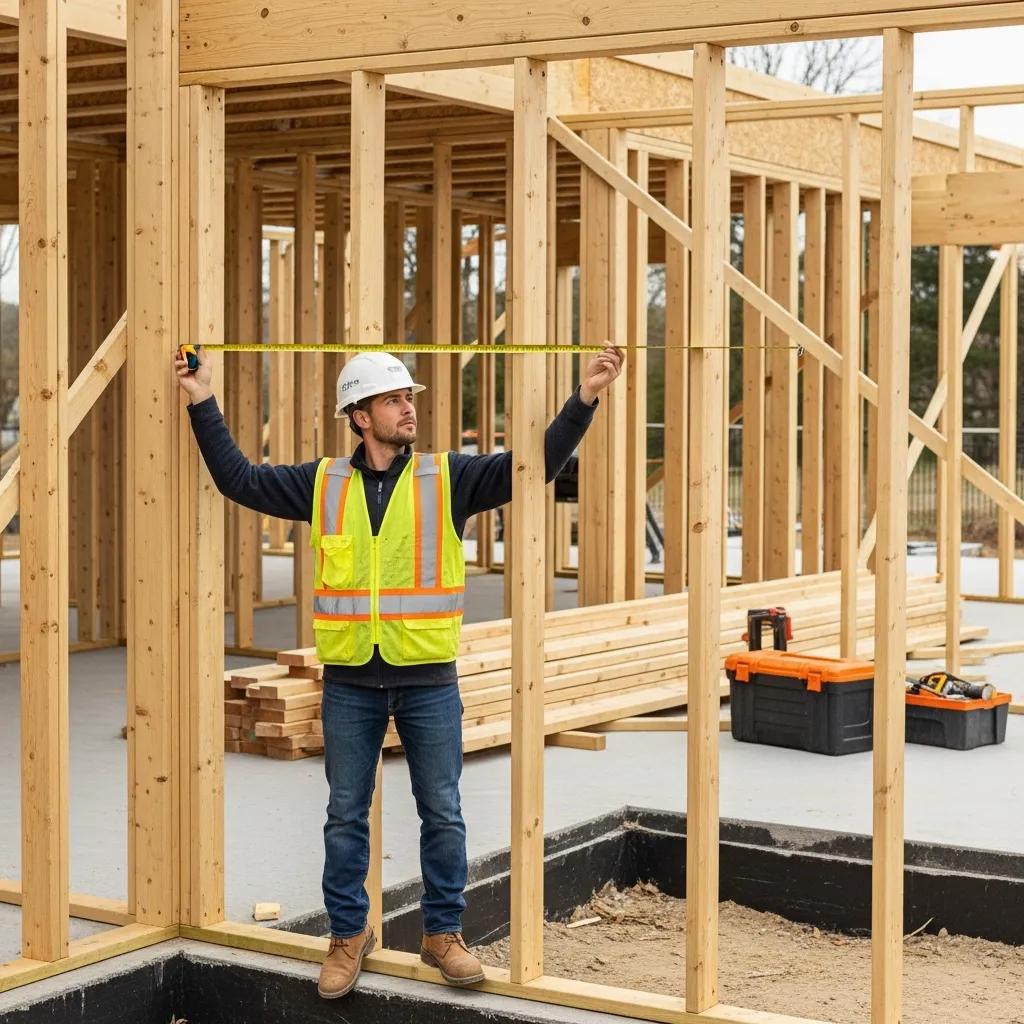
Replacement cost is a critical factor in determining your home insurance coverage needs. It refers to the amount required to replace your home and its contents at current market prices. Understanding this concept is vital because it directly impacts how much coverage you should purchase.
When you insure your home for its replacement cost, you ensure that you can rebuild your home to its original condition without incurring additional out-of-pocket expenses. This is particularly important in areas where construction costs may fluctuate due to market conditions. If you underinsure your home, you may face significant financial losses in the event of a disaster.
What Role Do Personal Risk Factors and Property Value Play?
Personal risk factors and property value significantly influence your "home insurance coverage". Personal risk factors include your lifestyle, the location of your home, and any unique features that may affect your insurance needs. For instance, homes in areas prone to natural disasters may require higher coverage limits.
Property value also plays a crucial role in determining coverage amounts. Regularly assessing your property value ensures that your insurance policy reflects any changes in the market or improvements made to your home. This proactive approach helps prevent underinsurance and ensures you are adequately protected.
How Can I Use a Home Insurance Coverage Calculator to Estimate My Needs?

Home insurance coverage calculators are valuable tools that help homeowners estimate their insurance needs based on various inputs. These calculators typically require information about your home, including its size, location, and the value of your personal belongings.
Using a "home insurance calculator" can provide you with a clearer picture of how much coverage you should consider. It simplifies the process by taking into account factors such as rebuilding costs and personal property values, allowing you to make informed decisions about your insurance policy.
What Inputs Are Required for Accurate Coverage Calculations?
To achieve accurate coverage calculations, several key inputs are necessary:
- Personal Information: Details about the homeowner, including age, occupation, and lifestyle.
- Property Details: Information about the home, such as square footage, age, and construction type.
- Coverage Details: Specifics about desired coverage levels, including liability limits and additional endorsements.
Providing accurate information ensures that the calculator generates a reliable estimate of your home insurance needs.
How Do Calculators Account for Deductibles and Liability Coverage?
Home insurance calculators also factor in deductibles and liability coverage when estimating your insurance needs. Understanding these components is essential for making informed decisions about your policy.
- Deductibles: The amount you agree to pay out-of-pocket before your insurance coverage kicks in. Higher deductibles can lower your premium but may increase your financial risk in the event of a claim.
- Liability Coverage: This protects you against legal claims for injuries or damages that occur on your property. Adequate liability coverage is crucial for safeguarding your assets.
By considering these elements, calculators provide a comprehensive view of your insurance needs, helping you choose the right policy.
What Are the Typical Homeowners Insurance Coverage Levels and Policy Limits?
Homeowners insurance typically offers several coverage levels and policy limits. Understanding these options is essential for selecting the right policy for your needs. Common coverage levels include:
- Dwelling Coverage: Protects the structure of your home.
- Personal Property Coverage: Covers your belongings inside the home.
- Liability Coverage: Protects against claims for injuries or damages.
Each of these coverage types has specific limits, which can vary based on your policy and provider. It's important to review these limits regularly to ensure they align with your current needs.
How Do Average Home Insurance Costs Relate to Coverage Levels?
Average home insurance costs are closely related to the coverage levels you choose. Generally, higher coverage limits result in higher premiums. Factors influencing these costs include:
- Location: Homes in high-risk areas may face higher premiums.
- Home Value: More expensive homes typically require higher coverage, leading to increased costs.
- Claims History: A history of claims can result in higher premiums.
Understanding the relationship between coverage levels and costs helps homeowners make informed decisions about their insurance policies.
What Liability and Deductible Options Should I Consider?
When selecting a home insurance policy, it's essential to consider your liability and deductible options. Here are some key points to keep in mind:
- Liability Coverage Options: Evaluate the amount of liability coverage you need based on your assets and potential risks.
- Deductible Choices: Decide on a deductible that balances your premium costs with your financial comfort in the event of a claim.
- Additional Endorsements: Consider endorsements for specific risks, such as flood or earthquake coverage, depending on your location.
These considerations will help you tailor your policy to your unique needs and circumstances.
How Should Seniors and Small Business Owners Approach Home Insurance Coverage?
Seniors and small business owners often have unique insurance needs that require careful consideration. For seniors, factors such as fixed incomes and health considerations may influence their coverage choices. It's essential to assess their specific needs and compare policies effectively.
Small business owners should also evaluate their home insurance coverage, especially if they operate a business from their residence. This may require additional coverage for business-related risks and assets.
What Special Considerations Affect Seniors’ Home Insurance Needs?
Seniors face specific considerations when it comes to home insurance. These may include:
- Final Expenses Budgeting: Ensuring that coverage accounts for potential final expenses.
- Legacy Goals: Considering how insurance fits into their overall estate planning.
- Health and Age Factors: Understanding how health conditions may impact insurance needs.
By addressing these factors, seniors can make informed decisions about their home insurance coverage.
How Can Small Business Owners Protect Property with Tailored Insurance Policies?
Small business owners can protect their property through tailored insurance policies that address their unique risks. Key considerations include:
- Types of Tailored Insurance Policies: Options such as business interruption insurance and equipment coverage.
- Importance of Coverage for Business Assets: Ensuring that business-related assets are adequately protected.
- Consulting with Insurance Professionals: Seeking expert advice to navigate complex insurance needs.
By taking these steps, small business owners can safeguard their properties and ensure their businesses remain resilient.
Determining the right amount of home insurance coverage is crucial for protecting your property and assets. Many homeowners struggle with understanding how much coverage they truly need, often...
